You're Attending Tech Events Completely Wrong
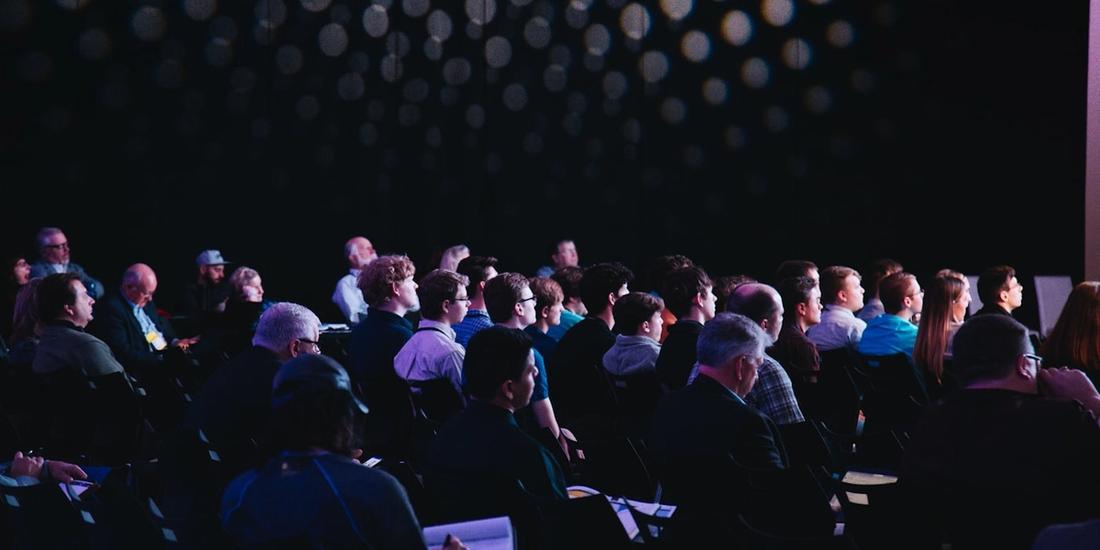
I used to go to tech conferences and treat them like university lectures. I would look at the schedule, highlight the talks that sounded interesting, and spend eight hours a day sitting in dark auditoriums, quietly taking notes on my laptop.
I thought I was maximizing the value of my ticket. In reality, I was missing the entire point of the event.
Almost every tech talk, keynote, and panel is recorded. Three days after the event, it will be uploaded to YouTube in 4K resolution, where you can watch it at 1.5x speed. Traveling across the country just to sit in a chair and absorb structured information is a terrible use of your time. The real value of a tech event isn't on the stage. It’s in the hallway.
The Density of the Hallway Track
In tech circles, this is affectionately known as the "Hallway Track."1 It’s the coffee lines, the after-parties, the sponsor booths, and the spontaneous conversations that happen while waiting for an elevator.
Why is this so valuable? Because information on a stage is heavily filtered, sanitized, and broadcast one-to-many. But information in the hallway is high-entropy, raw, and completely unique to that moment.2
It’s where you find out why a company actually pivoted. It’s where you meet a founder who is secretly looking for a co-founder. It’s where you casually mention a bug you’ve been stuck on for a week, and a random engineer in line next to you says, "Oh yeah, we dealt with that last month, here’s how you fix it."
Stop Being Intimidated
A lot of junior developers and early founders hide in the auditoriums because the hallway is intimidating. It feels like everyone else already knows each other. But you have to remember the fundamental law of these events: everyone is there because they want to expand their network.3
Next time you go to an event, skip half the talks. Hang out in the lobby. Compliment someone on their laptop sticker. Ask thoughtful questions. Tech events are not about information; they are about proximity. And proximity compounds faster than information ever will.